
Denial Code Library
The Complete Insurance Denial Code Library — What Every Code Means
The ClaimCompass Denial Code Library translates every major insurance denial code and tells you exactly what to do.

Alex Rivera
July 11, 2026
Medicare denies wheelchairs and CPAP machines at high rates. Proper documentation overturns most denials.
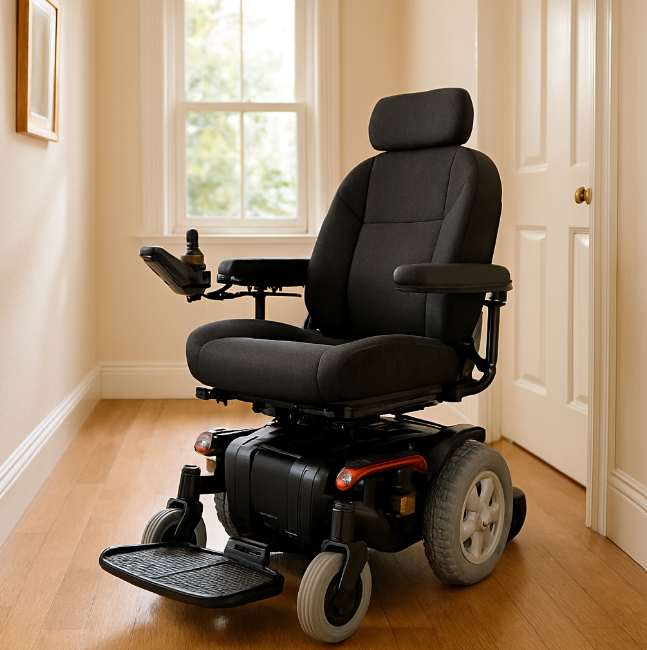
Durable Medical Equipment — wheelchairs, power scooters, CPAP machines, oxygen concentrators, prosthetics, orthotics, hospital beds, and insulin pumps — is denied by Medicare more frequently than almost any other benefit category. For elderly and disabled beneficiaries, these aren't conveniences — they are necessities.
The good news: DME denials are among the most successfully appealed Medicare claims when proper documentation is provided.
Medicare uses Local Coverage Determinations (LCDs) published by Medicare Administrative Contractors to define medical necessity criteria for each type of DME. If your physician's order and supporting records do not address every criterion in the LCD for the specific equipment requested, Medicare will deny.
Medicare requires a face-to-face examination by a licensed clinician within a specific timeframe before certain DME is prescribed. If this examination was not documented correctly, the claim will be denied.
A Certificate of Medical Necessity (CMN) or Detailed Written Order (DIF) is required for many types of DME. If it is missing, incomplete, or contains errors, the claim will be denied.
Some equipment must be rented before it is purchased, or must meet specific product specifications. Claims for non-covered equipment or equipment that doesn't meet specifications are denied.
Find the specific LCD for your equipment type at cms.gov. Read every documentation requirement. Compare it to what was submitted.
Your physician must write a detailed letter addressing every criterion in the LCD —the diagnosis, the functional limitations, the medical necessity, the alternatives tried and failed, and why this specific equipment is medically necessary. Vague letters fail. Specific letters succeed.
Confirm that a qualifying face-to-face examination occurred within the required timeframe and is documented in the medical record.
Submit your appeal with the physician letter, complete medical records, the CMN or DIF if required, and a cover letter explaining how the documentation meets each LCD criterion.
Power wheelchairs and power scooters are subject to particularly strict Medicare documentation requirements. The face-to-face examination must be conducted by a physician, nurse practitioner, physician assistant, or clinical nurse specialist and must document a mobility examination using specific criteria. Work closely with your prescribing physician and the DME supplier to ensure every requirement is met before submitting.
ClaimCompass analyzes your Medicare DME denial, identifies the specific documentation gap, and generates a formally written appeal letter addressing the LCD criteria.
Upload your DME denial at myclaimcompass.ai for a free analysis.